
目次
3月号【法務】ニュースレター

財務省「令和7年の全国の税関における関税法違反事件の取締り状況」を発表
財務省は、2026年2月17日、令和7年(2025年)の1年間に全国の税関が空港や港湾等において摘発した関税法違反事件の取締り状況を公表した。
不正薬物(=覚醒剤、大麻、あへん、麻薬、向精神薬及び指定薬物をいう)全体の押収量は約3,211kgと増加(前年比15%増)し、令和6年(2024年)ぶりに3トンを超え、過去2番目を記録し、引き続き極めて深刻な状況となっている。
金地金の摘発件数は192件(同61%減)、押収量は約425kg(同68%減)と減少。
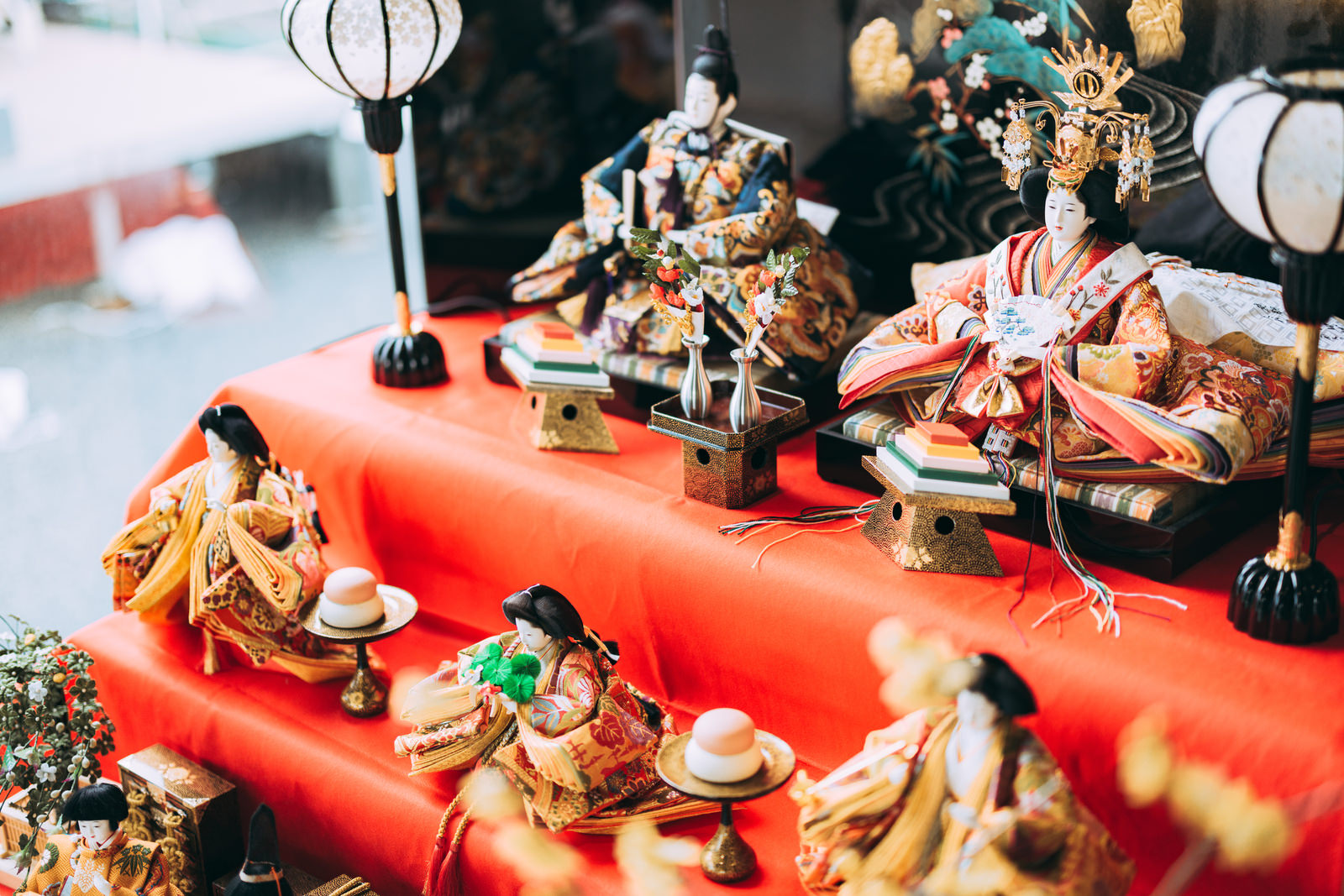
知的財産侵害物品については、商標権を侵害する人形10体及び偽造外国通貨40点の密輸入事件を5件告発した。
■税関における知的財産侵害物品の取締り
知的財産侵害物品は、関税法第69条の2及び第69条の11により輸出及び輸入してはならない貨物と定められており、税関で取締りを行っている。
・輸出が禁止されている知的財産物品:
特許権、実用新案権、意匠権、商標権、著作権、著作隣接権又は育成者権を侵害する物品
・輸入が禁止されている知的財産物品:
特許権、実用新案権、意匠権、商標権、著作権、著作隣接権、回路配置利用権又は育成者権を侵害する物品
知的財産侵害物品を輸出した者若しくは輸出しようとした者、輸入した者若しくは輸入しようとした者は、10年以下の拘禁若しくは1000万円以下の罰金に処し又はこれを併科される(関税法第108条の4第2項・第3項、第109条第2項・第3項)。
また、知的財産侵害物品は、税関により没収、廃棄される(関税法第69条の2第2項、第69条の11第2項、第118条第1項・第2項)。
<参考URL>
財務省HP
https://www.mof.go.jp/policy/customs_tariff/trade/safe_society/mitsuyu/cy2025/index.html
税関HP
https://www.customs.go.jp/mizugiwa/chiteki/pages/a_003.htm
https://www.customs.go.jp/mizugiwa/kinshi.htm
商標審査基準改訂案について(2026年4月1日より適用予定)
産業構造審議会知的財産分科会商標制度小委員会第38回商標審査基準ワーキンググループにおいて、商標審査基準の改訂案が審議され、その結果、改訂案に基づき改訂を行うことが了承された。
改訂後の商標審査基準は、2026年4月1日から適用される予定である。
改訂予定の内容は、以下のとおりである。
1.コンセント制度において、出願人・引用商標権者間に「支配関係」がある場合の取り扱いの明確化
商標法第4条第4項のコンセント制度の対象として、出願人と引用商標権者の間に「支配関係」がある場合には、混同を生ずるおそれがないものとして扱う旨が明記される。
ここでいう「支配関係」として、以下の関係が明記される。
- 引用商標権者が出願人を支配している場合
- 出願人が引用商標権者を支配している場合
- 出願人と引用商標権者が同一の者の支配下にある場合
2.コンセント制度において、出所が実質的に同一である場合の取り扱いの明確化
コンセント制度において、出願商標および引用商標に係る商品・役務の出所が実質的に同一である場合には、混同を生ずるおそれがないと判断する旨が明記される。
この「実質的同一性」の判断にあたっては、以下の具体的な事情を総合的に考慮するものとされる。
- 出願人と引用商標権者との関係性
- 商品・役務に関する事業の実施状況
- 商標の使用態様
- 取引の実情 など
3.関連する審査基準の整理
上記の改訂に伴い、以下の修正が行われる。
- 商標法第4条第1項第11号の審査基準から、以下の記載を削除する。
① 引用商標権者が「指定商品・役務が類似しない」と陳述した場合の取扱い、
② 出願人と引用商標権者に支配関係がある場合の取扱い、 - 商標法第4条第1項第10号の審査基準からも、第11号の上記②の取扱いを準用する旨の記載を削除する。
これらの改訂は、コンセント制度の導入以降に実際に適用された案件を踏まえ、制度をより利用しやすくすることを目的として行われるものである。 今後も適用事例の蓄積に応じて、より明確で理解しやすい商標審査基準へと改訂が進められていくことが期待される。
特許庁「産業構造審議会知的財産分科会商標制度小委員会 第38回商標審査基準ワーキンググループ 議事要旨」
https://www.jpo.go.jp/resources/shingikai/sangyo-kouzou/shousai/shohyo_wg/38-gijiyoushi.html
特許庁「商標審査基準改訂案」
https://www.jpo.go.jp/resources/shingikai/sangyo-kouzou/shousai/shohyo_wg/document/38-shiryou/shiryo01.pdf
特許庁「産業構造審議会 知的財産分科会商標制度小委員会 第37回商標審査基準ワーキンググループ議事録」
https://www.jpo.go.jp/resources/shingikai/sangyo-kouzou/shousai/shohyo_wg/document/index/new37_gjiroku.pdf
(2026年2月25日 一部当所にて抜粋して利用)
「第21回意匠制度小委員会」の配布資料公開(その2)
前回のニュースレター(2月号)では、令和7年12月15日に、特許庁にて開催された第21回意匠制度小委員会の配布資料から、3つの論点のうちの1つ「①実施行為について」を取り上げた。今回は、「②保護対象について」を取り上げる。当該資料から、将来の意匠法改正の方向性を知ることができるため、参考にされたい。
仮想空間上の保護対象として認められるための要件
保護対象は、「仮想物品等の形状等を表した画像」である。
「仮想物品等の形状等を表した画像」の要件
1.仮想物品等の形状等が、一の立体的形状を有し、任意の視点から見ることが可能なものであること
2.仮想物品等が、仮想物品等としての用途及び機能を備えていること
保護対象に関する今回のヒアリングにおける意見
(1)仮想物品等の形状等を表した画像の保護について
著作権で保護しにくいもの、例えば、ゲームに登場する自動車や物、建物で象徴的なものがあれば、意匠権で保護して第三者による模倣を防止するという方向性があり得る。 現状、仮想空間ビジネス単体では大きな収益を達成できていないが、この数年間でニーズがあることは認識しており、これらを意匠法で保護することは有用と考える。
(2)空間の保護について
仮想空間そのものの「居心地の良さ」、レイアウトや色使いについても工夫しつつ制作されており、空間全体を意匠で保護したいというニーズが存在する。
(3)アバター・キャラクターの保護について
肯定的意見
著作権で保護される可能性があるが、著作権法と意匠法の両方の法律で保護を求める声がある。
慎重論
キャラクターの知財保護は、法律の成り立ちの観点からみても著作権や商標権での保護であって、物品をベースに発展してきた意匠法による保護は適切ではないと感じる。
今後の検討事項
「仮想物品等に該当するとは直ちに言い難い対象」をどう扱うか
例えば、単なる背景オブジェクトや、独立した取引対象にならない空間の一部などがこれに当たる。これらを広く保護対象に含めると、クリエイターの創作活動を萎縮させたり、クリアランス調査(権利侵害調査)の負担が過大になるため十分な検討が必要である。
URL:https://www.jpo.go.jp/resources/shingikai/sangyo-kouzou/shousai/isho_shoi/document/21-shiryou/03_shiryo-1.pdf
(2026年2月24日に利用)※当所にて加工して作成
Newsletter translated into English
Ministry of Finance Announces “Status of Enforcement in Customs Act Violation Cases at Customs Offices Nationwide in 2025”
On February 17, 2026, the Ministry of Finance announced the status of enforcement in Customs Act violation cases detected by customs offices across the country at airports, seaports, and other locations during the one‑year period of 2025.
The total amount of illicit drugs (meaning stimulants, cannabis, opium, narcotics, psychotropic substances, and designated drugs) seized increased to approximately 3,211 kg (an increase of 15% from the previous year), exceeding three tons for the first time since 2024 and marking the second largest total on record, indicating that the situation remains extremely serious.
The number of gold bullion smuggling cases decreased to 192 cases (a 61% decrease year‑on‑year), and the amount seized decreased to about 425 kg (a 68% decrease).
With respect to intellectual‑property‑infringing goods, five smuggling cases were prosecuted involving ten dolls infringing trademark rights and forty counterfeit foreign currency notes.
Enforcement against intellectual‑property‑infringing goods at customs
Intellectual‑property‑infringing goods are defined under Articles 69‑2 and 69‑11 of the Customs Act as goods prohibited from export and import, and customs authorities enforce this prohibition.
- Intellectual‑property goods for which export is prohibited:
Goods that infringe a patent right, utility model right, design right, trademark right, copyright, neighboring right, or breeder’s right. - Intellectual‑property goods for which import is prohibited:
Goods that infringe a patent right, utility model right, design right, trademark right, copyright, neighboring right, layout‑design exploitation right, or breeder’s right.
Any person who exports or attempts to export, or imports or attempts to import, intellectual‑property‑infringing goods shall be punished by imprisonment for not more than ten years, or a fine of not more than ten million yen, or both (Customs Act Articles 108‑4 paragraphs 2 and 3 and Article 109 paragraphs 2 and 3).
In addition, intellectual‑property‑infringing goods shall be confiscated and destroyed by customs (Customs Act Articles 69‑2 paragraph 2, 69‑11 paragraph 2, and 118 paragraphs 1 and 2).
References
Ministry of Finance website:
https://www.mof.go.jp/policy/customs_tariff/trade/safe_society/mitsuyu/cy2025/index.html
Customs website:
https://www.customs.go.jp/mizugiwa/chiteki/pages/a_003.htm
https://www.customs.go.jp/mizugiwa/kinshi.htm
Trademark Examination Guidelines – Proposed Revisions (to be applied from April 1, 2026)
At the 38th Meeting of the Trademark Examination Guidelines Working Group of the Subcommittee on the Trademark System under the Intellectual Property Committee of the Industrial Structure Council, proposed revisions to the Trademark Examination Guidelines were deliberated, and implementation of revisions based on the proposed revisions was approved. The revised Trademark Examination Guidelines are scheduled to be applied from April 1, 2026.
The planned revisions are as follows.
1. Clarification of handling of cases where a “control relationship” exists between the applicant and the cited trademark right holder under the consent system
It will be expressly stated that, under the consent system in Article 4 paragraph 4 of the Trademark Act, in cases where a “control relationship” exists between the applicant and the cited trademark right holder, the marks shall be treated as not likely to cause confusion.
The following relationships will be explicitly defined as constituting “control relationships.”
- Where the cited trademark right holder controls the applicant
- Where the applicant controls the cited trademark right holder
- Where both the applicant and the cited trademark right holder are under the control of the same person
2. Clarification of handling of cases where the origin (source) is substantially identical under the consent system
In the consent system, it will be expressly stated that when goods or services to which the applied‑for trademark and the cited trademark relate have a source that is substantially identical, they shall be regarded as not likely to cause confusion.
In determining this “substantial identity,” the following specific circumstances are to be comprehensively considered:
- The relationship between the applicant and the cited trademark right holder
- The status of business operations regarding the goods or services
- The manner in which the trademarks are used
- The actual conditions of trade, etc.
3. Organization of related examination guidelines
Along with the above revisions, the following amendments will be made.
- The following descriptions will be deleted from the examination guidelines for Article 4 paragraph 1 item (xi) of the Trademark Act:
1. Handling of cases where the cited trademark right holder asserts that “the designated goods or services are not similar.”
2. Handling of cases where a control relationship exists between the applicant and the cited trademark right holder. - Matters applying the handling in description 2 of item (xi) above will also be deleted from the examination guidelines for Article 4 paragraph 1 item (x) of the Trademark Act.
These revisions are intended to make the system easier to use, taking into account actual cases applied since the introduction of the consent system. As further cases accumulate in practice, the guidelines are expected to continue to be revised to become clearer and easier to understand.
References
Japan Patent Office (JPO), “Summary of the 38th Meeting of the Trademark Examination Guidelines Working Group, Subcommittee on the Trademark System, Intellectual Property Committee, Industrial Structure Council”:
https://www.jpo.go.jp/resources/shingikai/sangyo-kouzou/shousai/shohyo_wg/38-gijiyoushi.html
JPO, “Proposed Revisions to the Trademark Examination Guidelines”:
https://www.jpo.go.jp/resources/shingikai/sangyo-kouzou/shousai/shohyo_wg/document/38-shiryou/shiryo01.pdf
JPO, “Minutes of the 37th Meeting of the Trademark Examination Guidelines Working Group, Subcommittee on the Trademark System, Intellectual Property Committee, Industrial Structure Council”:
https://www.jpo.go.jp/resources/shingikai/sangyo-kouzou/shousai/shohyo_wg/document/index/new37_gjiroku.pdf
(Partially extracted and used by our office on February 25, 2026)
Publication of Materials from 21st Design System Subcommittee (Part 2)
In our previous newsletter (February issue), we featured, from the materials distributed at the 21st Design System Subcommittee meeting held at the JPO on December 15, 2025, one of the three discussion points, “(1) Acts of Working.” In this issue, we focus on “(2) Subjects of Protection”. We recommend referring to these materials since they allow us to grasp the direction of potential future revisions of the Design Act.
Requirements for a subject to be recognized as protectable in virtual space
The subject of protection is defined as “an image depicting the shape or the like of a virtual article.”
Requirements for “an image depicting the shape or the like of a virtual article”
1.The shape and the like of the virtual article must have a single three‑dimensional form that can be viewed from any arbitrary viewpoint.
2.The virtual article must possess the intended use and function of a virtual article.
Opinions expressed in the hearing on subjects of protection
(1) On the protection of images depicting the shapes and the like of virtual articles
When a subject is difficult to protect under copyright law (for example, if the subject is a symbolic item such as a car, object, or buildings appearing in a game), one course of action may be to protect the object using a design right to prevent imitation by third parties.
Although the virtual space business alone has not yet achieved significant profits, it is recognized that demand has arisen over the past few years, and protection under the Design Act is considered useful.
(2) On the protection of space
Virtual spaces themselves are created with attention to the comfort of the space as well as the layout and use of colors, and there exists a need to protect entire spaces using design rights.
(3) On the protection of avatars and characters
Affirmative opinions:
There is the possibility of protection under copyright law, but there are also voices seeking protection under both copyright law and the Design Act.
Cautious opinions:
From the standpoint of the legislative basis of intellectual property protection for characters, protection is considered appropriate under copyright or trademark law; since the Design Act has been developed on the basis of tangible articles, protection under the Design Act may not be appropriate.
Future issues for discussion
How to handle “subjects that cannot readily be regarded as virtual articles”.
Examples include mere background objects or portions of spaces that are not independent objects of trade. If these are broadly included within the scope of protection, it may discourage creators’ activities and impose an excessive burden on clearance searches (infringement investigations); hence, sufficient consideration is required.
Source
“Regarding Issues for Discussion on the Design System” (Japan Patent Office):
https://www.jpo.go.jp/resources/shingikai/sangyo-kouzou/shousai/isho_shoi/document/21-shiryou/03_shiryo-1.pdf
(Accessed on February 24, 2026. This article was produced by our firm based on the above source.)